



International boat road transport across Europe requires careful vessel preparation well before loading begins, as even minor oversights can result in damage, delays, or additional costs during transit. Proper preparation of a boat for international road transport is a critical step in ensuring safe, reliable, and professional vessel relocation across multiple European countries.
While professional transport companies handle the technical and logistical aspects of the journey, the responsibility of the boat owner starts much earlier. Documentation, the technical condition of the vessel, and proper protection of onboard equipment all directly affect the safety of the boat during long-distance road transport across Europe.
This guide provides a detailed preparation checklist for boat owners planning international road transport in Europe. Below, we outline the key administrative and technical steps required before loading, explain how to protect the boat and its equipment, and highlight how cooperation with experienced transport professionals contributes to safe and efficient vessel transport.
Documentation and Administrative Preparation Before International Boat Road Transport
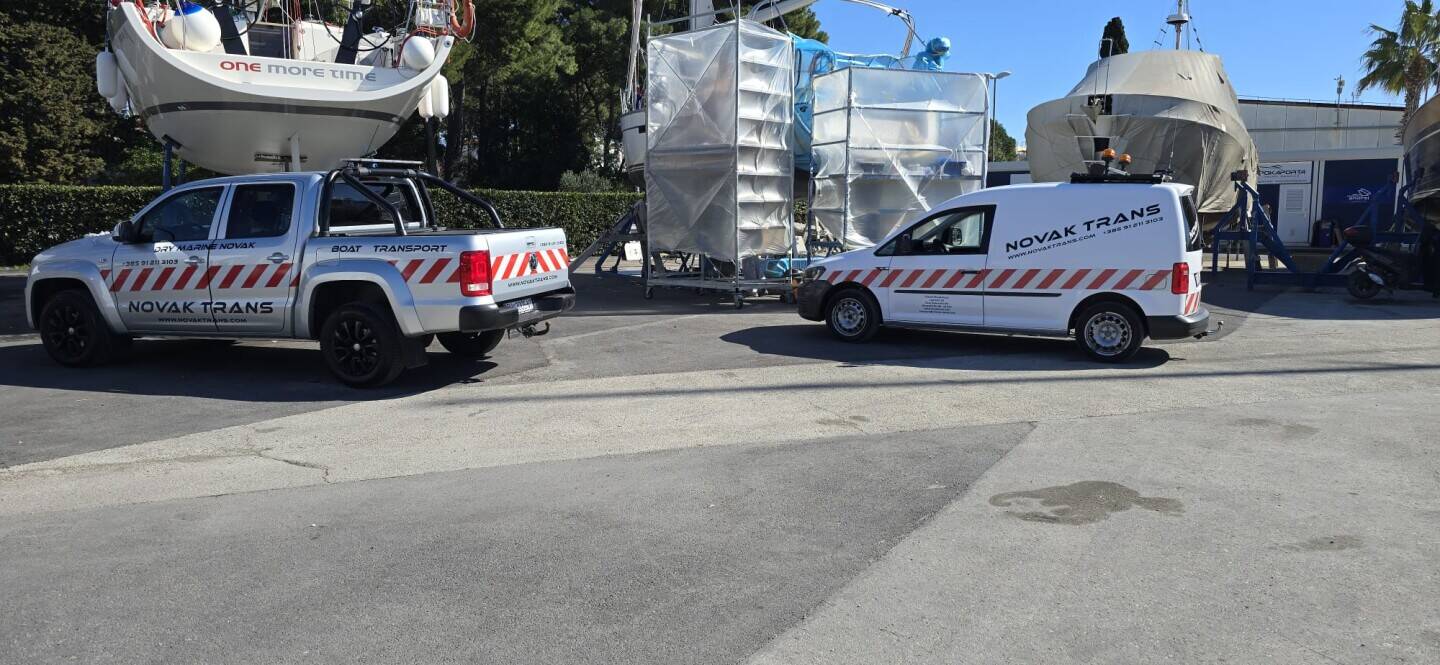
Proper documentation and administrative preparation for international boat road transport are essential prerequisites for safe, legal, and uninterrupted vessel transport across multiple European countries. Without complete and accurate documentation, boat road transport can be delayed, stopped entirely, or burdened with unexpected additional costs.
Before loading begins, boat owners must prepare and verify all ownership and identification documents related to the vessel. This includes valid proof of ownership, vessel registration certificates, and, when required, documentation confirming vessel dimensions and technical specifications. Accurate information is critical for obtaining transport permits, especially when the boat qualifies as an oversized load for road transport.
Insurance coverage during international boat road transport is another important administrative aspect that owners should not overlook. While professional transport companies carry their own transport insurance, boat owners are strongly advised to verify whether this coverage reflects the full value of the vessel and which situations are included during long-distance road transport across Europe.
When transporting a boat across national borders, special attention must be given to potential customs or administrative requirements. This is particularly relevant for transport outside the European Union or when temporary vessel relocation conditions apply. Proper preparation of customs-related documentation significantly reduces the risk of delays at borders and inspection checkpoints.
Clear and timely communication with the transport provider during this phase is crucial for successful international boat road transport. Experienced transport professionals review documentation in advance, identify potential issues, and ensure that all administrative requirements are fulfilled before the transport process begins.
Technical Boat Preparation Before Loading for International Road Transport
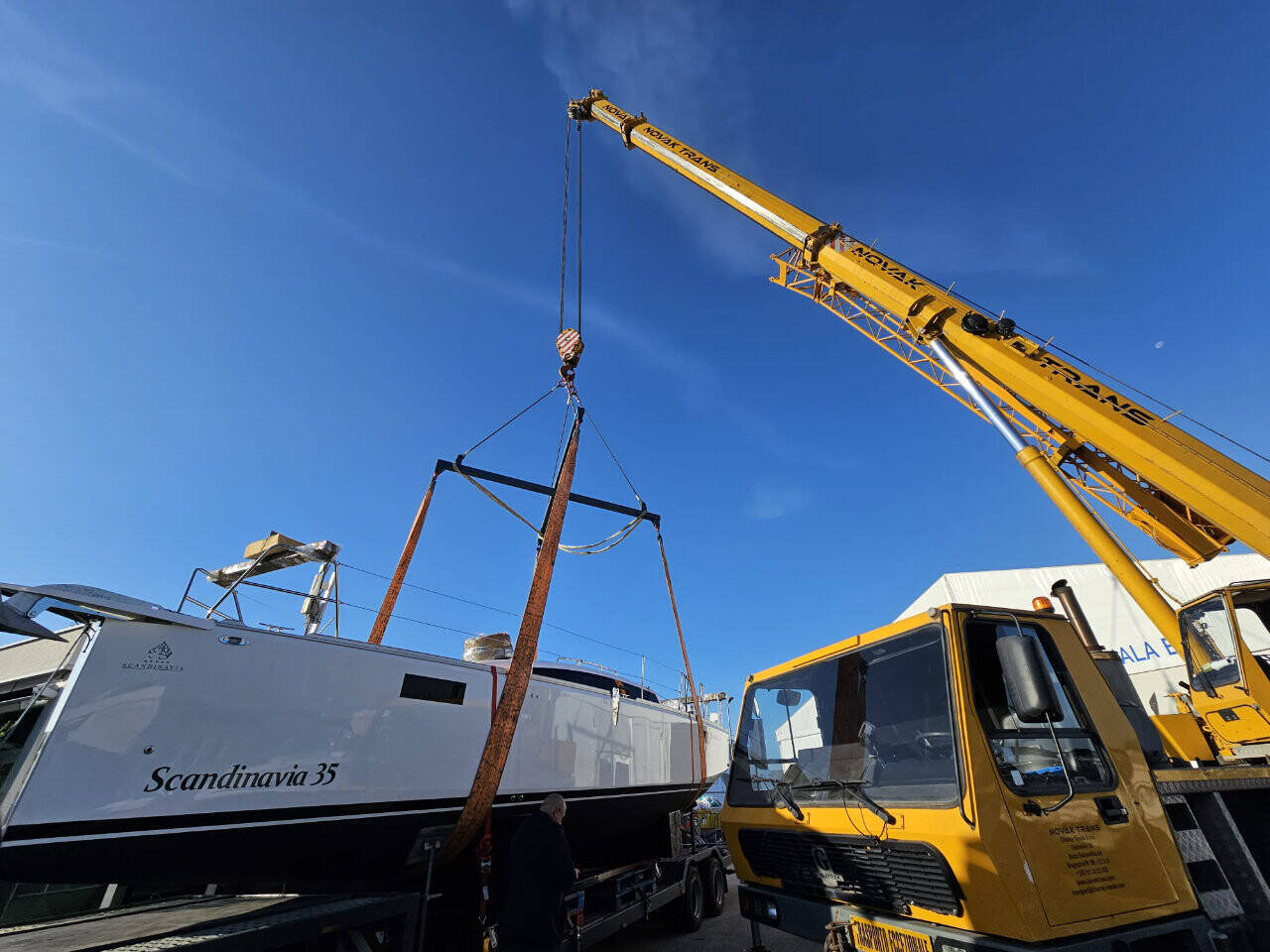
Technical preparation of a boat before international road transport is a critical step in reducing the risk of vessel damage during long-distance transportation by road. Before loading takes place, the boat must be thoroughly inspected and prepared to ensure stability, safety, and structural protection throughout transport across multiple European countries.
One of the first technical preparation steps involves checking and, where necessary, draining fuel, water, and other onboard fluids. Reducing the vessel’s overall weight improves stability during boat road transport and minimizes stress on the hull and trailer support points. Electrical systems should also be switched off to prevent unintended equipment activation during transit. External equipment requires special attention prior to international road transport. Antennas, masts, navigation equipment, canopies, and other protruding elements are often removed or additionally secured before transport. These components are particularly vulnerable to vibration, height restrictions, and lateral forces encountered during long-distance road transport across Europe.
A detailed inspection of the hull, keel, and superstructure is an essential part of technical preparation. Any existing damage, scratches, or structural imperfections should be documented before loading, typically through photographs. This documentation serves as a reference point for assessing the vessel’s condition after road transport has been completed.
The interior of the boat must also be prepared for transport. Loose items, furniture, and onboard equipment should be removed or securely fastened to prevent damage caused by vibrations or sudden directional changes. Proper technical preparation significantly reduces the risk of post-transport issues and helps ensure that the boat arrives at its destination in the same condition in which it was loaded.
Protecting Boat Equipment and Interior During International Road Transport
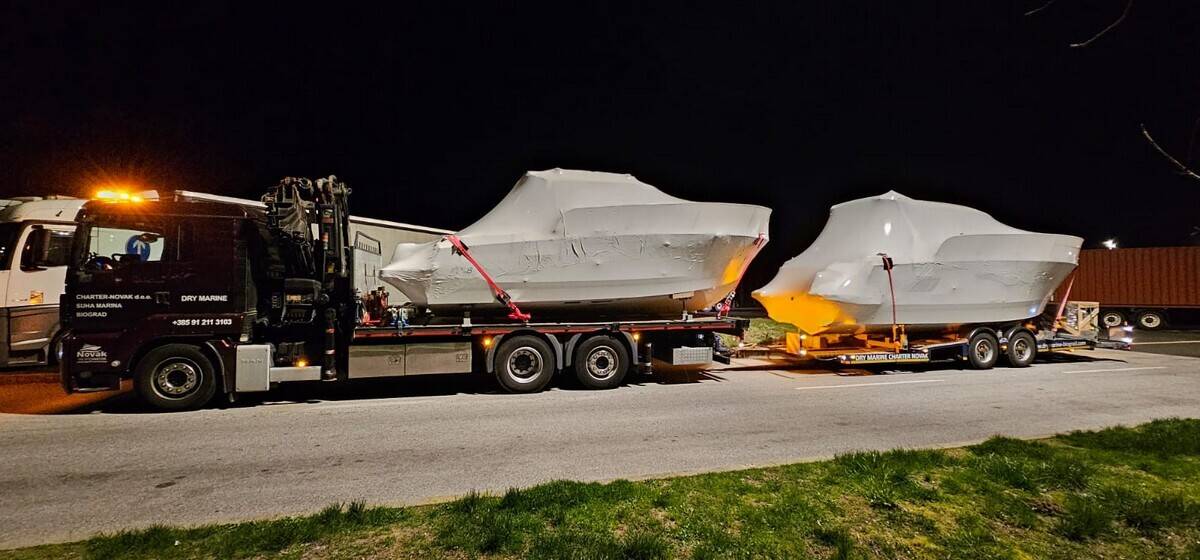
Protecting boat equipment and the interior during international road transport is essential for preserving both the functionality and appearance of the vessel after long-distance transportation. Vibrations, sudden directional changes, braking, and uneven road surfaces can all cause damage if onboard equipment is not properly secured before transport.
All loose and movable equipment on board must be removed or securely fastened prior to loading. This includes navigation devices, electronic equipment, galley components, decorative items, and any parts that could shift during transit. Particular attention should be given to cabinets, drawers, and doors, which are often additionally secured using straps or protective locking mechanisms.
The interior of the boat should be protected against vibration and potential impact using appropriate protective materials such as foam padding, soft coverings, and protective films. Glass surfaces, screens, lighting fixtures, and other sensitive interior components require additional protection to prevent micro-damage that is often only discovered after road transport has been completed.
External parts of the vessel are exposed to environmental influences throughout transport. Tarpaulins, protective covers, and specialized wrapping materials are commonly used to protect the hull, deck, and superstructure from dirt, debris, moisture, and weather conditions. Properly applied protective coverings significantly reduce the risk of surface damage during international boat road transport.
Boat owners frequently underestimate the importance of this preparation stage, even though minor interior and equipment damage is among the most common consequences of inadequate transport preparation. Systematic protection of onboard equipment and interior spaces plays a key role in ensuring the boat arrives at its destination safely and without the need for additional repairs.
Working With the Transport Provider Before International Boat Road Transport
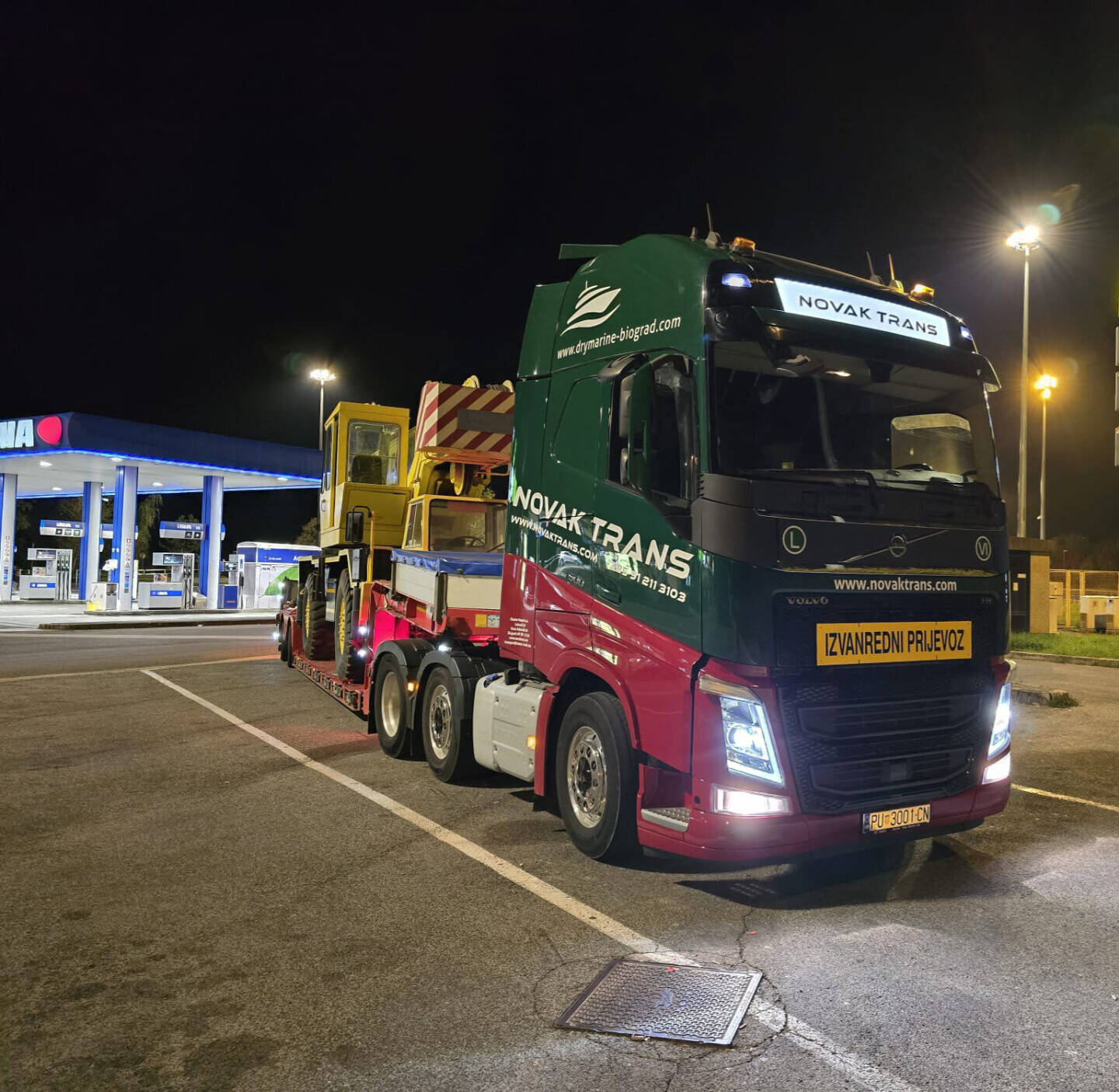
Working with an experienced transport provider before international boat road transport is essential for proper vessel preparation and the successful execution of the entire transport process. Clear communication between the boat owner and the transport company allows technical, logistical, and administrative matters to be resolved well before loading takes place.
Before road transport begins, the boat owner should confirm all key vessel details with the transport provider, including dimensions, weight, vessel type, and any specific technical requirements. Accurate information enables the transporter to select the appropriate equipment, trailer configuration, and securing methods required for safe international boat road transport.
Scheduling loading and unloading times is an equally important part of the preparation process. Boat owners must ensure that the vessel is fully prepared at the agreed time and that access points for cranes and transport vehicles are available. Any misalignment at this stage can result in delays and additional costs.
It is also important to clarify responsibilities in advance when planning road transport of a vessel. Owners should clearly understand who is responsible for vessel preparation, equipment protection, insurance coverage, and any additional work required before or after transport. This level of transparency helps prevent misunderstandings and supports a professional transport experience.
Effective cooperation with the transport provider at this stage ensures that all previous preparations—administrative, technical, and safety-related—are carried out in accordance with professional standards for international boat road transport.
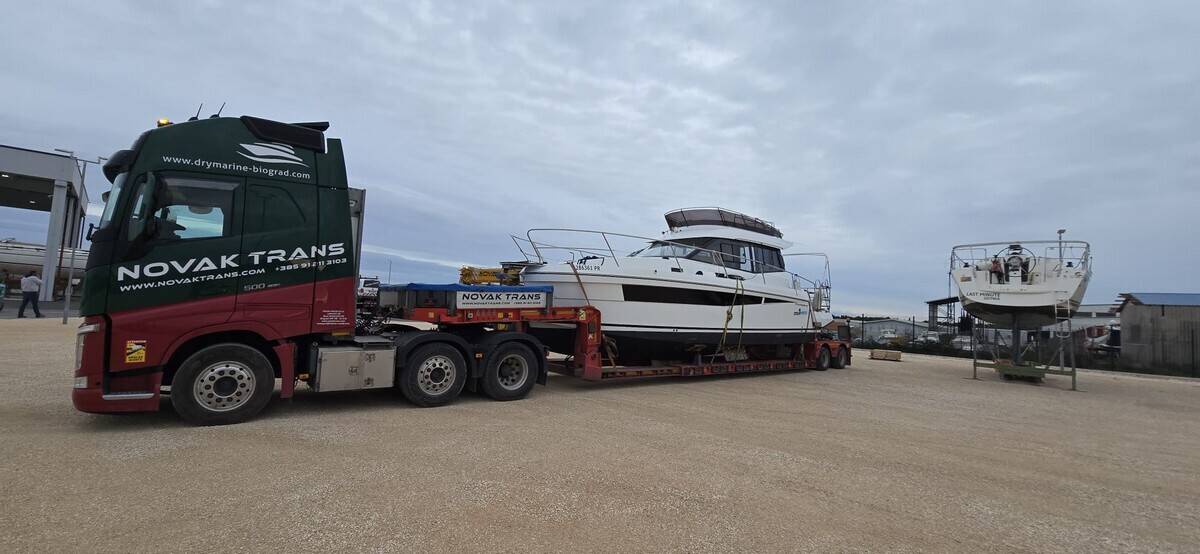
Proper preparation of a boat for international road transport is essential for ensuring safe, reliable, and professional vessel transport across Europe. While the physical transport itself is handled by specialized professionals, the responsibility of the boat owner begins much earlier through thorough administrative, technical, and safety preparation before loading.
Systematic planning of documentation, careful technical preparation of the vessel, effective protection of equipment and interior spaces, and clear cooperation with the transport provider significantly reduce the risk of damage, delays, and unexpected costs during long-distance boat road transport. A structured owner checklist helps ensure that no critical step is overlooked and that the entire transport process runs smoothly.
Due to the complexity of the overall procedure, international boat road transport requires a professional approach at every stage of preparation. A well-prepared boat not only arrives at its destination more safely but also maintains its structural integrity, value, and full readiness for future use.
Latest from Blog
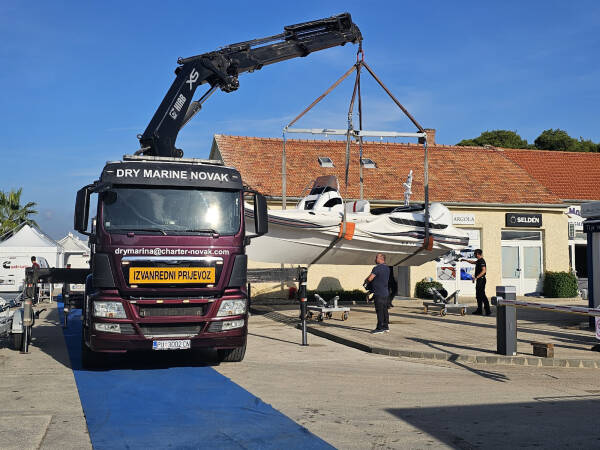

How International vessel road transport really works?
International vessel road transport across Europe is a complex process that requires much more than loading a boat onto a trailer. From oversized transport permits and safe route planning to professional lifting, securing and handling, every stage must be carefully managed to protect the vessel during relocation.
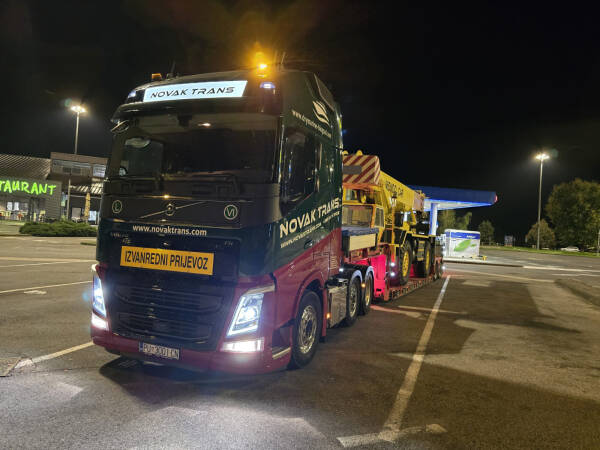
Boat Transport within the European Union – Safe and Professional
Transporting boats across the European Union requires experience, specialized equipment, and reliable logistics. Novak trans Biograd has been providing professional road transport services for yachts and boats for years, serving both private owners and yacht brokers arranging delivery after a sale.
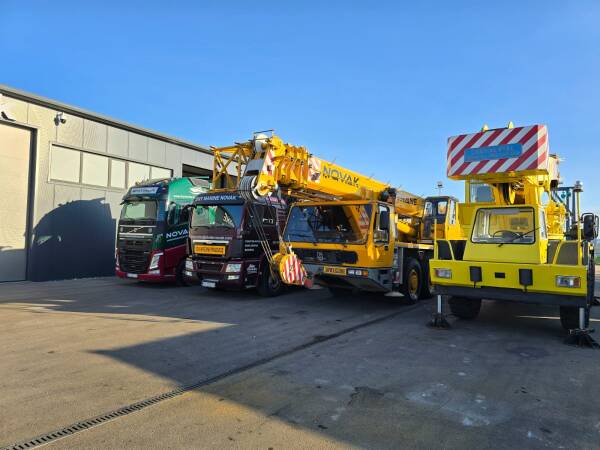
Why Professional Boat Transport Is Better Than Self-Transport
Many boat owners consider transporting their boat on their own, especially for shorter routes. However, boat transport is far from simple – it requires experience, specialized equipment, and knowledge of regulations within Croatia and the European Union. A professional service ensures safety, saves time, and minimizes the risk of damage.