



Many boat owners believe that boat transport across Europe is a simple matter of loading a vessel onto a trailer and driving it to the destination. In reality, international boat road transport in Europe is a highly specialized operation that requires technical expertise, regulatory knowledge, and professional handling of oversized and sensitive vessels.
From organizing permits for oversized boat transport, to planning safe routes and securing the vessel using specialized equipment, every step of yacht and vessel transport across Europe demands careful preparation and experience. What appears straightforward from the outside is, in fact, a coordinated process involving route planning, lifting procedures, safety protocols, and constant logistical control.
Understanding how boat transport in Europe really works helps owners recognize why professional handling is essential for protecting the structure, value, and safety of their vessel during relocation.
Before a vessel even begins its journey, several critical factors must be carefully planned and executed. Understanding these key aspects helps explain why professional handling is essential for safe relocation across Europe.
The most important elements of international boat road transport include:
- regulatory requirements and transport permits
- route planning across multiple European countries
- proper lifting and securing of different vessel types
- real challenges during long-distance transport
- professional standards that protect vessel safety and value
This guide explains how professional international vessel road transport across Europe works, including permits, route planning, lifting procedures, and the importance of specialized handling.
Why Boat Transport Across Europe Is More Complex Than It Appears
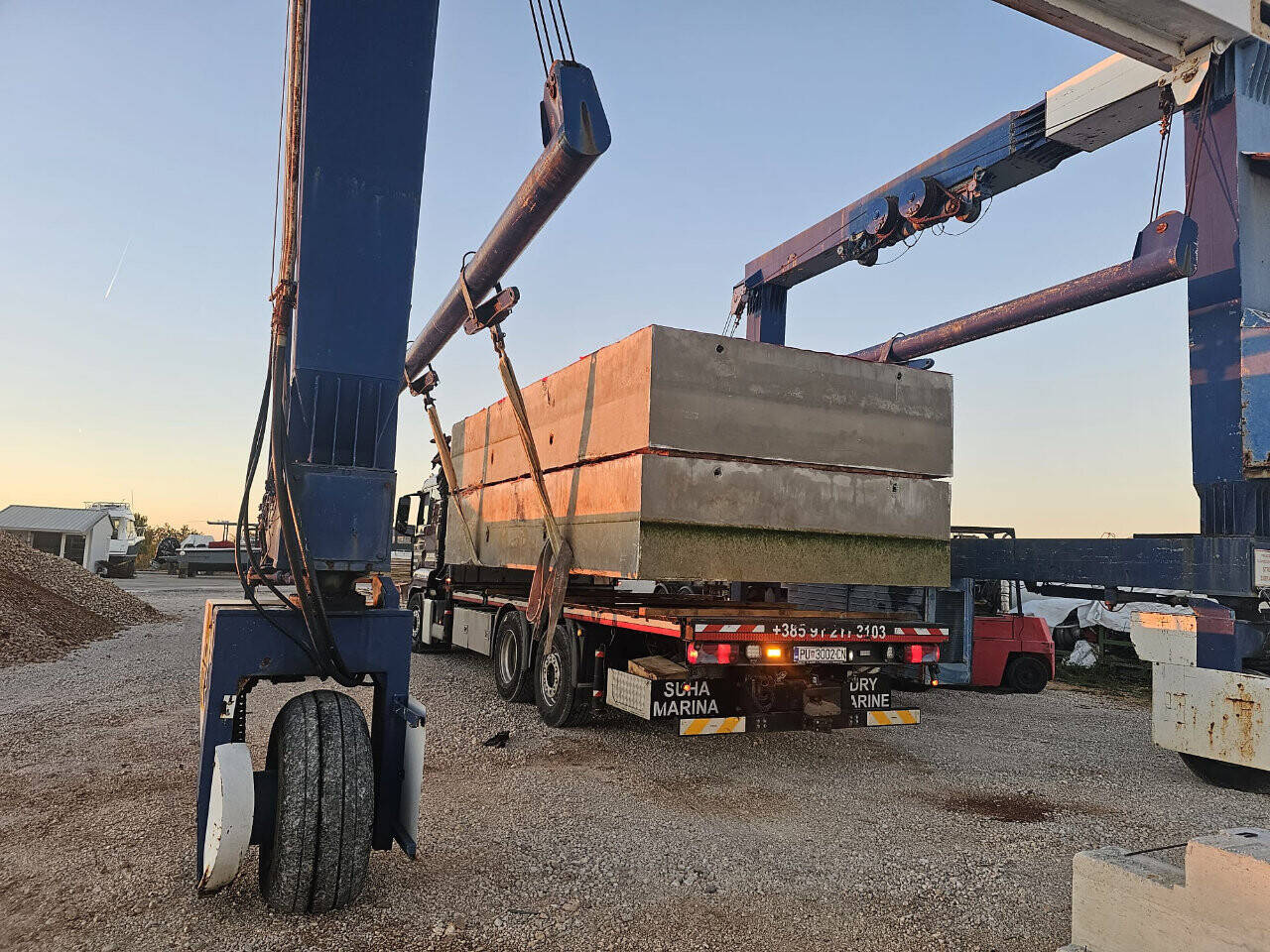
At first glance, boat transport across Europe may seem like a simple logistical task. A truck, a trailer, a vessel, and a destination. For many boat owners, moving a boat by road appears no different from transporting any other type of cargo between countries. However, boat road transport in Europe is far more complex, technical, and regulated than most people realize.
Boats and yachts are not standard freight. Their size, hull shape, weight distribution, and structural sensitivity make them one of the most demanding types of loads to move. Unlike containers or machinery that can be secured to a flat surface, yacht transport in Europe requires specialized hydraulic trailers with adjustable support systems that match the structure of each vessel. Even small mistakes in securing the boat can create pressure points that damage the hull during long-distance vessel transport across Europe.
Another major factor is that most boats fall into the category of oversized boat transport. Height, width, and length restrictions vary between European countries, meaning that transport requires special permits, approved routes, and sometimes escort vehicles. Every country involved in the journey applies its own rules, which must be carefully coordinated before the transport begins.
Route planning for boat transport in Europe is also very different from standard navigation. It is not about choosing the shortest route, but the safest one for the vessel. Transporters must consider bridge heights, tunnel limitations, road quality, traffic restrictions, and even weather conditions that can affect the stability of the load.
The most sensitive moments occur during lifting, loading, and unloading. Professional crane handling, knowledge of certified lifting points, and precise positioning on the trailer are essential for safe boat and yacht transport.
For these reasons, boat transport across Europe is not just logistics. It is a specialized operation that combines technical expertise, regulatory knowledge, and careful handling to ensure safe relocation of valuable vessels.
European Regulations, Permits and Route Planning for Oversized Vessel Transport
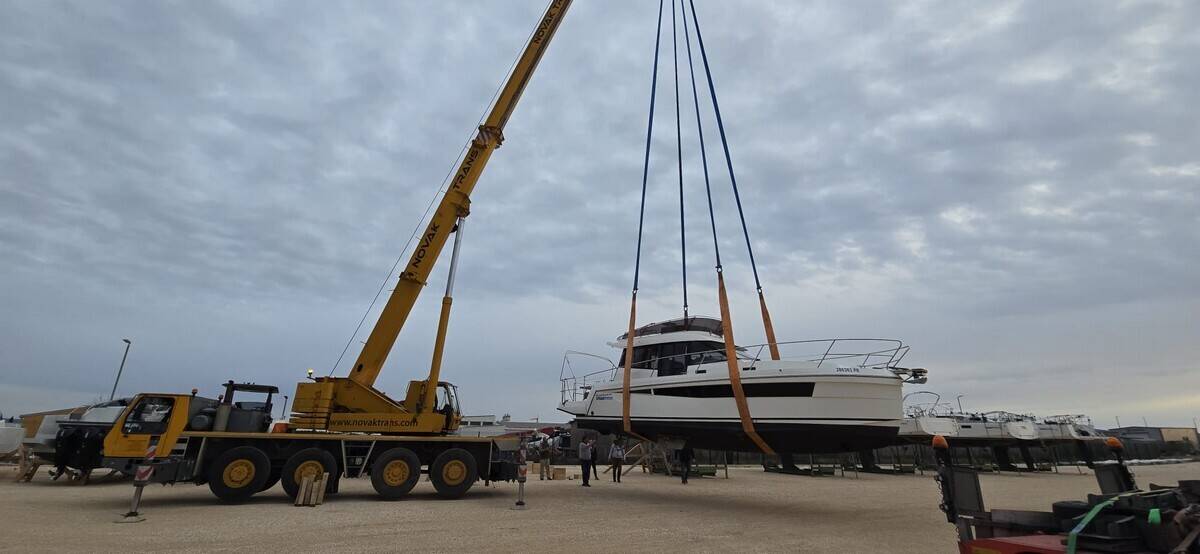
One of the most important aspects of boat transport across Europe that many owners are unaware of is the complex network of European road regulations that apply to oversized boat transport. Unlike standard freight, boats and yachts almost always exceed the legal road dimensions for height, width, or length, which automatically classifies them as special transport loads in most EU countries.
Because of this, boat road transport in Europe cannot begin without official transport permits issued by every country the vehicle will pass through. These permits define the exact approved route, allowed travel times, speed limitations, and whether escort vehicles are required. Organizing these documents requires detailed planning days before the actual vessel transport across Europe takes place.
Each country has different regulations. For example, a route approved in one country may be restricted in another due to bridge heights, tunnel limitations, or road width. This is why yacht transport in Europe is never planned using standard navigation tools. Instead, professional transporters rely on specialized route planning based on legal restrictions, road safety, and load stability.
In addition to permits, transport companies must coordinate with local transport authorities, police escorts when required, and ensure full legal compliance throughout the journey. Missing or incorrect documentation can result in delays, fines, or even stopped transport at borders and inspection points.
Proper route planning is therefore not about the fastest way from point A to point B, but the safest and legally approved path for boat transport in Europe. Transporters must consider road quality, construction zones, traffic density, weather conditions, and all restrictions that apply to oversized vessel transport.
For this reason, European boat and yacht transport is a logistical process that combines regulatory knowledge, administrative preparation, and practical route engineering to ensure that the vessel reaches its destination safely and without complications.
Proper Lifting, Securing and Handling of Different Vessel Types
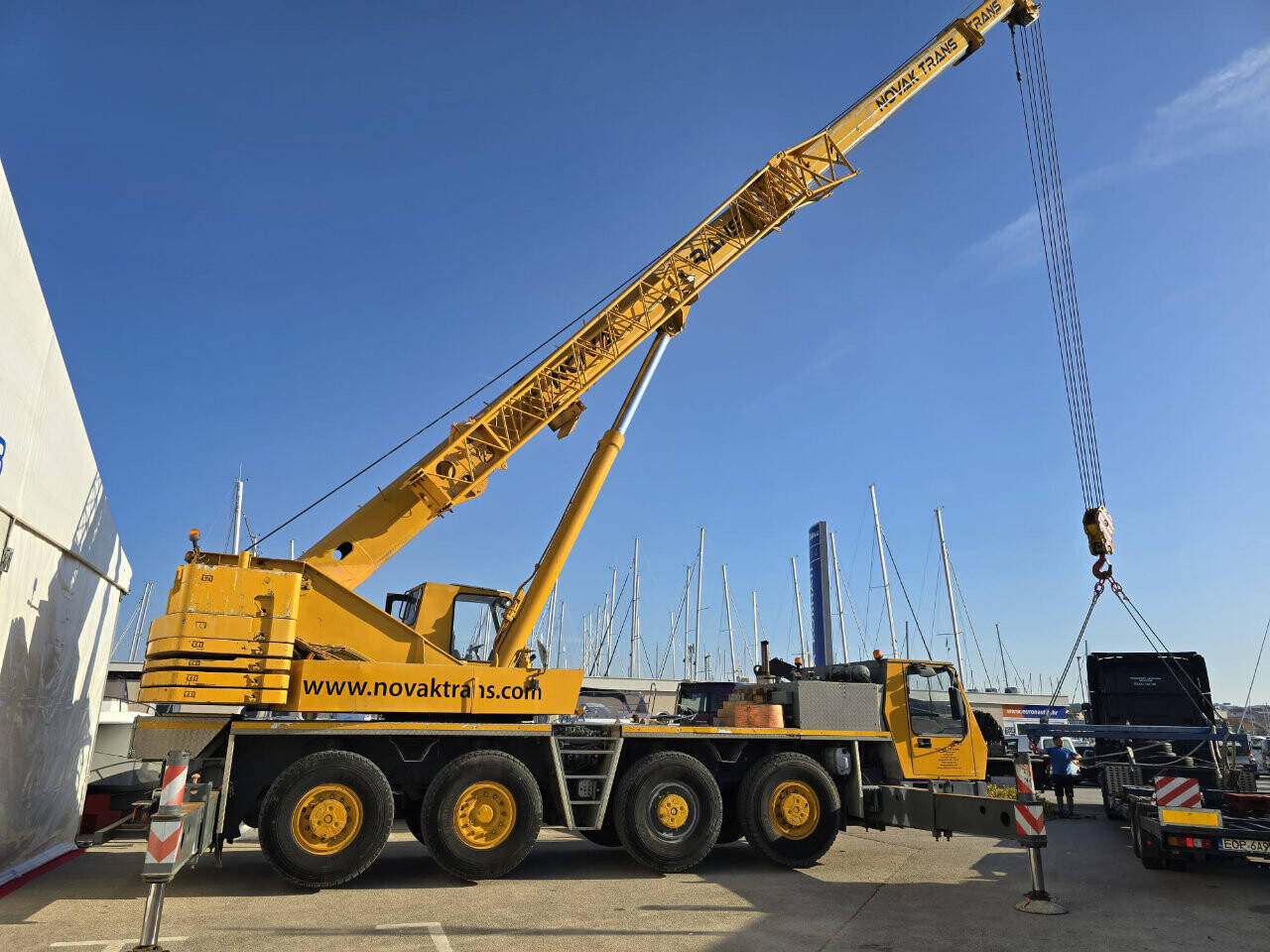
One of the most critical phases of boat transport across Europe is not the driving itself, but the lifting, positioning, and securing of the vessel before the journey even begins. This stage determines whether the boat will remain structurally safe during long-distance boat road transport in Europe.
Every vessel has a unique hull shape, keel depth, and weight distribution. Because of this, yacht transport in Europe requires much more than placing the boat onto a trailer. Professional transporters use hydraulic trailers with adjustable supports that are carefully positioned according to the design of the hull. These supports prevent pressure points that could cause stress cracks or structural damage during vessel transport across Europe.
Sailboats, motor yachts, and work vessels all require different handling approaches. Sailboats with deep keels must be supported in a way that prevents stress between the keel and the hull. Motor yachts, which are often wider and heavier, require broader weight distribution across the trailer supports. Understanding these differences is essential for safe oversized boat transport.
Equally important is the lifting process. Certified crane handling and knowledge of manufacturer-approved lifting points ensure that the boat is raised and positioned without causing imbalance or hidden damage. Improper lifting is one of the most common causes of structural issues discovered months after transport.
Once positioned on the trailer, the vessel must be secured using professional fastening systems designed specifically for boat and yacht transport. These systems allow slight movement absorption during road vibration while keeping the vessel firmly stabilized.
Proper handling, lifting, and securing are therefore not minor details, but fundamental steps that define the quality and safety of boat transport in Europe.
Common Challenges During International Boat Transport
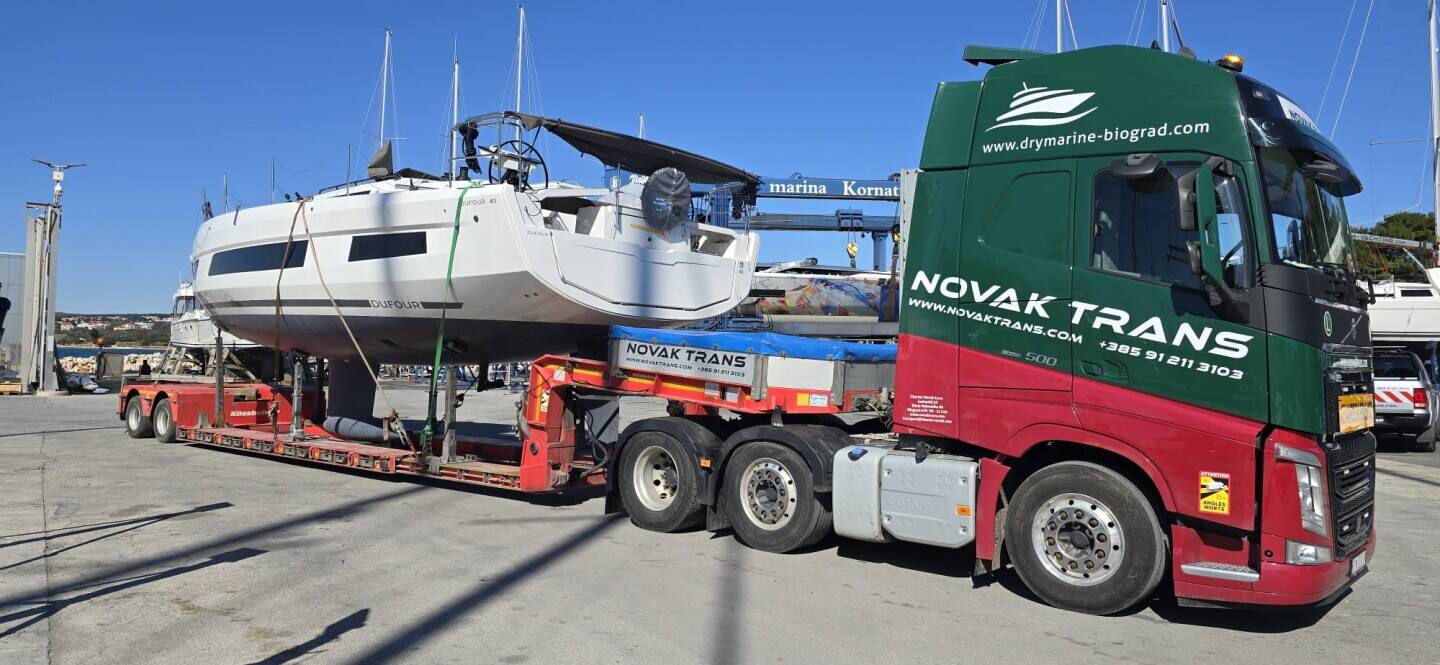
International boat logistics involves far more than simply moving a vessel from one location to another. Long-distance transport of heavy and sensitive loads across multiple countries introduces real-world challenges that require constant coordination and on-road expertise.
One of the most common difficulties during special transport operations is dealing with varying road conditions. Construction zones, narrow regional roads, uneven surfaces, and unexpected detours can all influence how a heavy load behaves during transport. These factors require continuous monitoring to maintain route safety for oversized and delicate cargo.
Weather conditions also play a significant role. Strong winds, sudden temperature changes, rain, or humidity can affect braking distance, trailer stability, and overall load control. Professional transport teams often adjust travel timing or select alternative roads to ensure maximum safety.
Cross-border transport adds another layer of complexity. Vehicles carrying oversized loads are frequently stopped for inspection. Drivers must present permits, insurance documentation, and approved route plans instantly. Any delay at this stage can disrupt the entire transport schedule.
Traffic restrictions in urban areas, temporary road closures, and local transport limitations require real-time communication between drivers, escort vehicles, and logistics coordinators. Successful transport of heavy loads depends on the ability to react quickly to these changing conditions.
These challenges show that international vessel relocation is not only about preparation but also about experience, coordination, and professional handling throughout the entire journey.
Why Professional Boat Transport Is Essential for Protecting Your Vessel
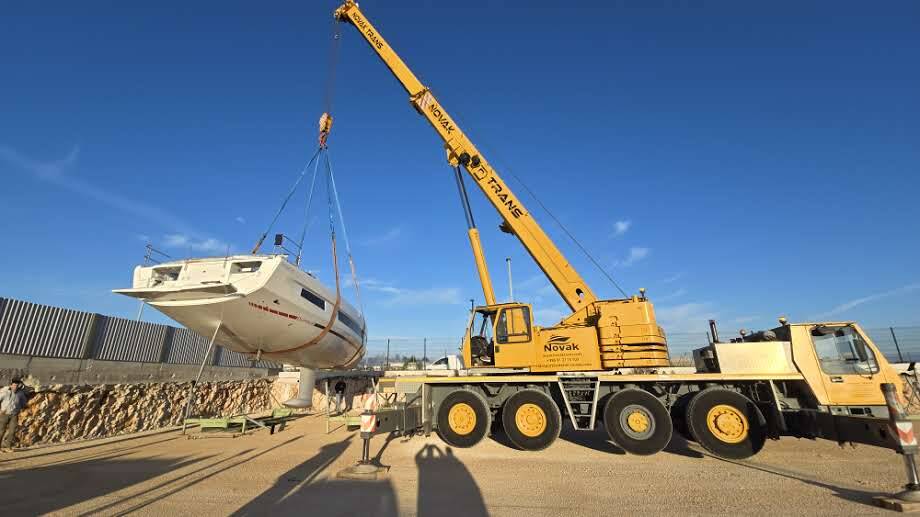
For boat owners, a vessel is not only a means of travel but a high-value asset that requires careful handling at every stage of its use. During road relocation, the primary goal is not speed, but vessel safety and structural protection throughout the journey.
Professional transport standards are designed specifically to protect sensitive structures from vibration, pressure points, and improper handling. Hydraulic supports, precise weight distribution, and shock-absorbing securing systems are used to minimize stress on the hull and internal components. These measures ensure transport reliability even over long distances and varied road conditions.
Another important aspect is the handling of high-value cargo. Boats, yachts, and work vessels often represent investments worth hundreds of thousands or even millions of euros. Because of this, professional transport teams follow strict safety procedures that prioritize asset value protection over simple logistics efficiency.
Careful preparation before departure, constant monitoring during transit, and precise unloading procedures at the destination all contribute to maintaining the vessel’s original condition. Even small mistakes during handling can lead to long-term issues such as micro-cracks, structural misalignment, or damage to internal equipment.
Choosing experienced professionals for vessel relocation is therefore not only about moving a boat from one place to another. It is about ensuring that the vessel arrives in perfect condition, preserving its long-term value and readiness for future use.
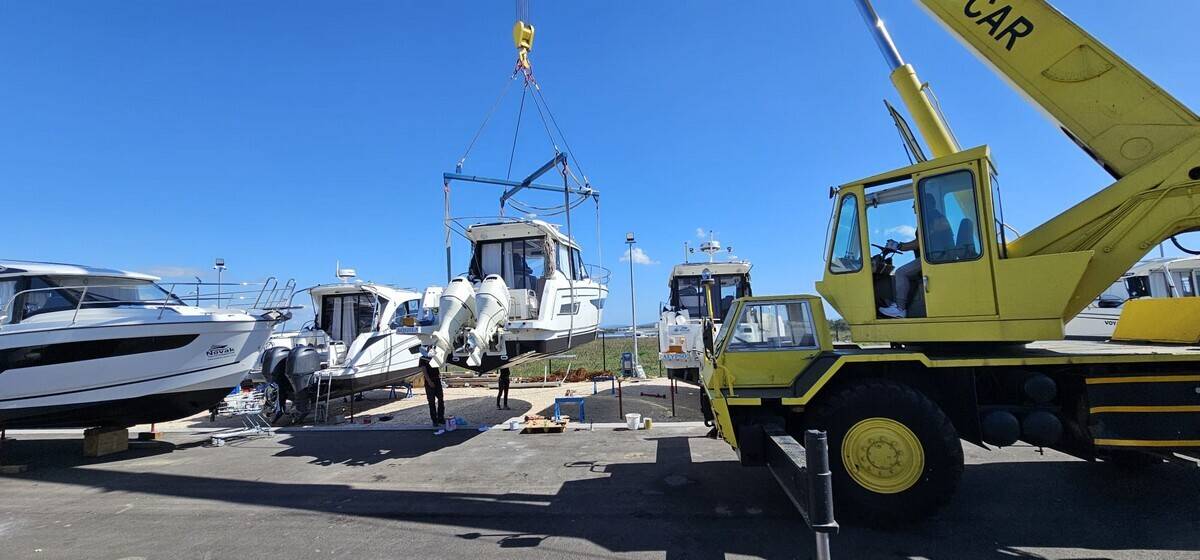
Boat and yacht transport across Europe is far more than a basic logistical task. It is a complex process that combines legal compliance, technical precision, and practical experience in handling oversized and high-value vessels on European roads.
From the moment a boat is lifted for road transport, to the final unloading at its destination, every stage must follow professional standards designed to ensure vessel safety and transport reliability. Proper planning, secure handling, and coordinated execution are what allow successful vessel relocation across Europe without damage or delays.
For boat owners, choosing experienced professionals for boat transport in Europe is not only about moving a vessel. It is about preserving the long-term integrity, value, and readiness of the boat for future use.
Due to complexity of the process, boat owners increasingly rely on specialized professionals for international vessel transport across Europe.
Latest from Blog
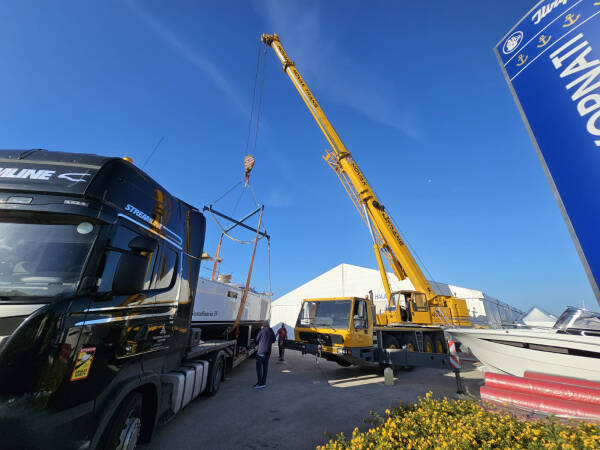

How to Prepare a Boat for International Road Transport in Europe (Owner Checklist)
Preparing a boat for international road transport in Europe is essential for avoiding damage, delays and unexpected costs. Before loading begins, owners must organize documentation, check the vessel’s technical condition, secure onboard equipment and coordinate clearly with the transport provider.
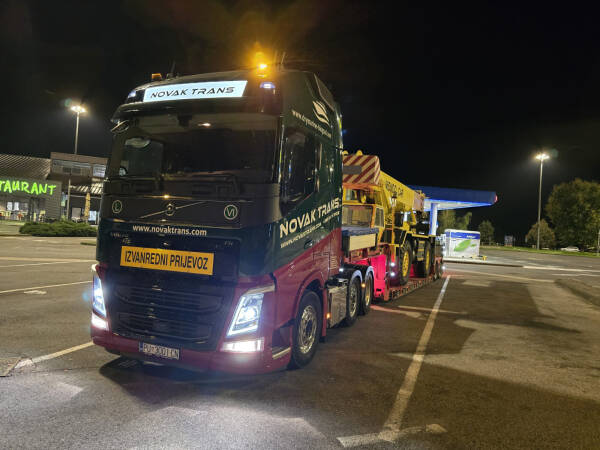
Boat Transport within the European Union – Safe and Professional
Transporting boats across the European Union requires experience, specialized equipment, and reliable logistics. Novak trans Biograd has been providing professional road transport services for yachts and boats for years, serving both private owners and yacht brokers arranging delivery after a sale.
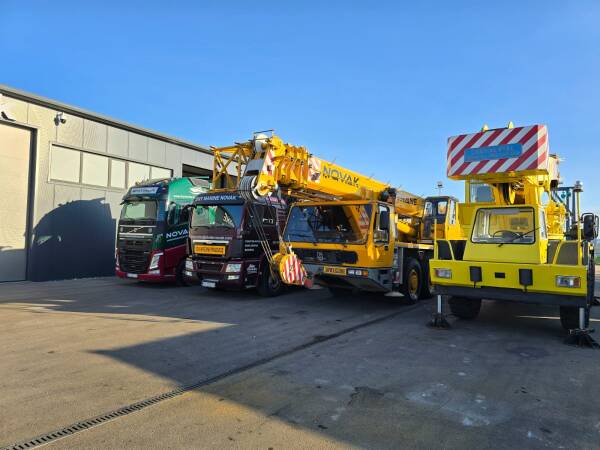
Why Professional Boat Transport Is Better Than Self-Transport
Many boat owners consider transporting their boat on their own, especially for shorter routes. However, boat transport is far from simple – it requires experience, specialized equipment, and knowledge of regulations within Croatia and the European Union. A professional service ensures safety, saves time, and minimizes the risk of damage.